Showing posts with label responding to reading. Show all posts

Sunday, December 2, 2012

Life's Been Great in 228!

If I could sum up the school year so far in one word, it would be...

BUSY!

This year I have committed to teaching reading and writing workshop and not using our county anthology. I am so fortunate to be able to have the freedom to make this decision, as I truly believe it is what is best for students. However, it is new territory for me (and many of my colleagues), so I have been up to my eyeballs in work. I know that many say reading and writing workshop seems like it would be easier to plan, but if you are doing it correctly it's really a lot more challenging (in my humble opinion). Although there are not as many worksheets/dittos/busy work, planning is based on the needs of the students and therefore requires frequent assessment and careful analysis of student work. So, not only am I grading my students' work but I am also frequently taking notes on it and comparing it to previous work. Despite the heavier workload for myself, I do love it. And the best part is...so do they.

So, what exactly have we been up to? Keep on reading to find out!

One thing I did differently this year is change how I use my response journals. The way they are set up is the same (click here to see blog post about setup), but instead of the students writing about their independent reading, they write me letters about our read aloud. This year, I found a great idea on Pinterest to help me model how a well-written letter should look. As a class, we read The Junkyard Wonders by Patricia Polacco. (This was a great lead into R.J. Palacio's Wonder, by the way!) I wrote a letter to the students on chart paper, and then together we identified the components of the letter and discussed the expectations. This letter now hangs in the classroom as an example that they can refer to throughout the year.

I also gave the students "Thinking Stems" that I found in a blog post by Nancy at Teaching My Friends.   to help them discuss their thoughts about our reading. These are glued onto the very first two sheets of their notebooks. In addition, the students take notes in the back half of their notebooks that they then refer to as they write their letters. Not only is the note taking helpful to their writing, but they also use their notes to drive discussion about what we have read.

Character Study Anchor Chart
During the first part of the year, the students and I have been focusing on characters in our reading. I have taught many minilessons about the complexities of characters, beyond just character traits, feelings, and relationships. We have kept an anchor chart about all of the thinking we have done about characters so that the students may refer to it during their reading workshop time. It has been so amazing to hear their conversation about characters and see their thinking deepen in their work. I am so proud of how far they have come! The best part is now they are making tons of text-to-text connections because they have been studying their characters so closely across texts. 


Our growing list of character trait words!
A favorite activity of mine that we did was coming up with more precise language to describe characters. For this lesson, I started out by discussing the common words I see students use when discussing character traits (e.g. mean, nice, caring, kind, etc.) Then, I gave them new words and in groups they came up with synonyms, examples of character actions that would fit with each trait, and names of characters from books we have read that fit each trait. Then, as a class we grouped each trait into one of three categories: Positive Connotation, Negative Connotation, or Neutral. Now my students have access to words that are much more meaningful when they write and discuss their thinking about characters. And, as we come across new "precise language" about character, we add to our list!


 What has been going well in your classrooms so far this year? I would love to hear from you!

Saturday, October 6, 2012

#WONDERschools Blog Tour


Have you heard of it? Better yet, have you read it? Do you know the wonder that is Wonder by R.J. Palacio?

Wonder is one of 2012's hottest novels by first-time author R.J. Palacio. Teachers, students, librarians, and kid's lit lovers alike are singing the praises of this WONDERful book. Don't believe me? Try following some of the many hashtags that have popped up all over Twitter (# WonderofWONDER, #WONDERschools, to name a few) and you will find hundreds of people chatting about this powerful book.

I first read Wonder as an Advanced Reader's Copy that I obtained form NetGalley. I was hooked. I read it in two days, barely able to pull myself away from the computer screen on which I was reading it. As soon as I read the last sentence on the last page, I knew that this book HAD to be shared with as many children as I could reach. It was the last novel I read to both of my reading and language arts classes last year. It was the perfect way to end the year before I sent them out into the world beyond elementary school. We made wonderful memories as we discussed the book using a mixture of the questions my students came up with, some of my own, and the ones provided on R.J. Palacio's website. We wrote about it. We cried over it. We loved it.


(**Spoiler Alert** Below is the "flipchart" I used with my students. Some of the questions reveal key events in the story and may spoil it for you if you haven't read it yet...which you need to!)
Wonder Questions


This year, I decided to read Wonder with my kids at the beginning of the year. My hope was that it would help build up our classroom community. I decided that by reading it at the beginning of the year, the impact would not only carry into their lives outside of school, but inside as well. Typically I allow my students to vote for their read aloud, but this year I decided this one was too important to potentially pass up.

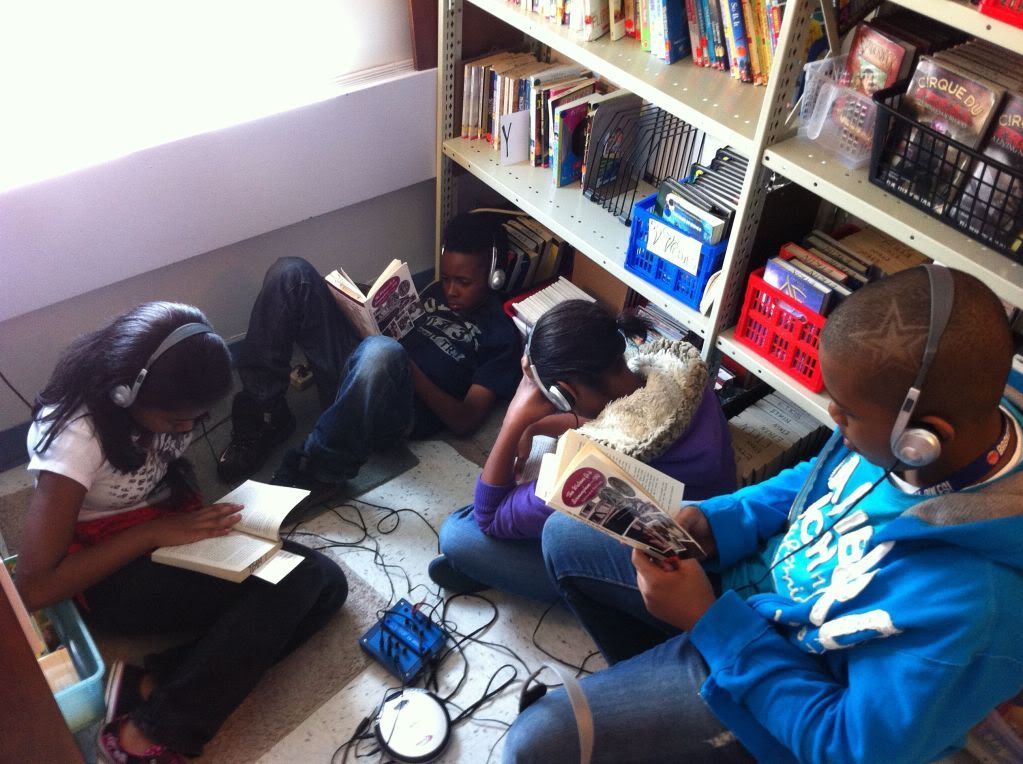
Every day my students eagerly enter the classroom after specials, grab their response journals, and form a circle on the carpet. I decided to sit with my students on the floor, not above them on my "teacher chair," this year. I can see them, hear them, and look at what they are writing/sketching in their notebooks. We reserved the back half of the students' journals for notes. After previewing Wonder (using the front and back covers, inside flap, and first chapter), the kids thought about what they wanted to focus on as we read. Some chose how the song quotes connected to each character's part, others were interested in tracking how August (the main character) dealt with being in school for the first time. The students then designed their own note-taking sheets, which they use and refer to when writing letters to me about our read aloud. I have been so amazed at my students' honesty and empathy as I read their entries.

I love sharing this book with my students. It brings us together as a community and helps them understand the effect their actions, both good and bad, can have on others. They see connections between the characters we are reading about, and characters in their independent reading. Wonder is a great tool for teaching empathy, but it is also great literature. I use it to model skills and strategies I want my students to use in their own reading and writing. I am so grateful to R.j. Palacio for giving me such an invaluable resource to use in my classroom. I know Auggie will stay with all of us forever.


Tuesday, May 29, 2012

Guest Blog Post from David Etkin

I am SUPER excited about today's post. My new Twitter buddy, David Etkin (@davidaetkin), generously agreed to share a post about Reading Partnerships and Clubs once I hit 100 followers.

This is a fantastic idea for making reading in the classroom feel more authentic, as well as making it much more motivating for students than your traditional whole-class novel set up. Thank you, David, for sharing this WONDERful idea and inspiring me to break out of the box and try new things in my own classroom. This is definitely something I will be implementing in the 2012-2013 school year!


The Case for Reading Partnerships and Clubs

Forming reading partnerships and book clubs with young students is challenging. How do I partner the students—By interest? Reading level? Friend requests? And once they are in these groups, how do I help them to set reasonable goals? How can I keep their conversations moving forward? What do I do about the student who doesn’t do his reading?

Surely, there are many questions. But I’m persevering in my book clubs plan because this I believe: Some of the most powerful reading we do is partner reading.


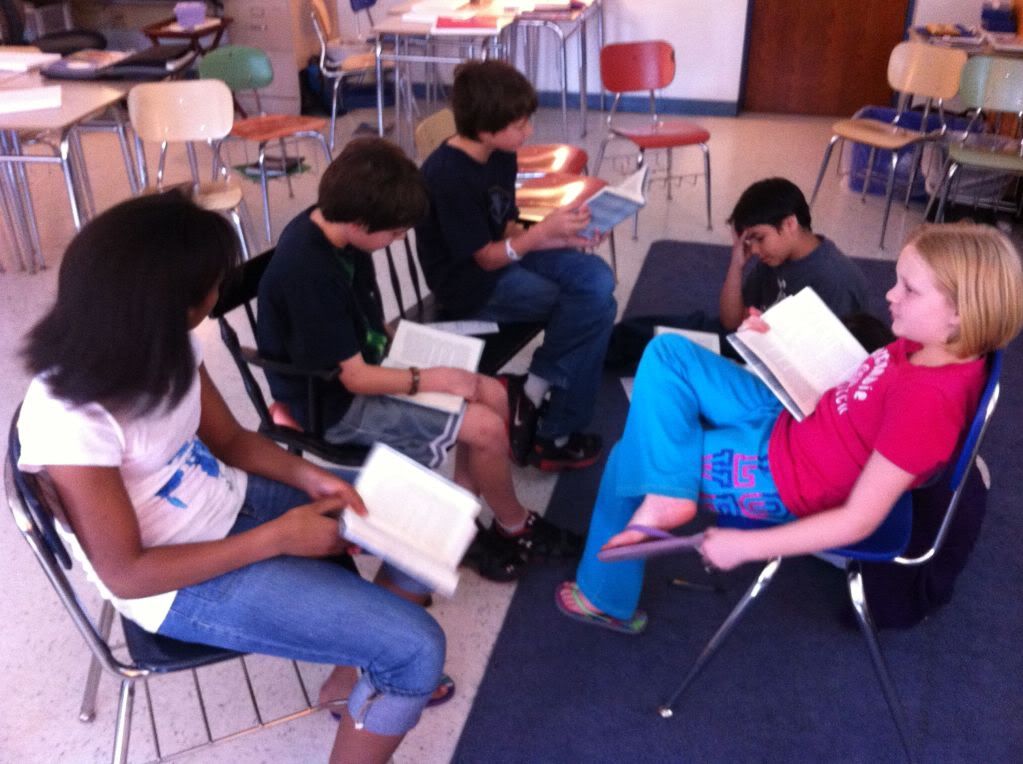
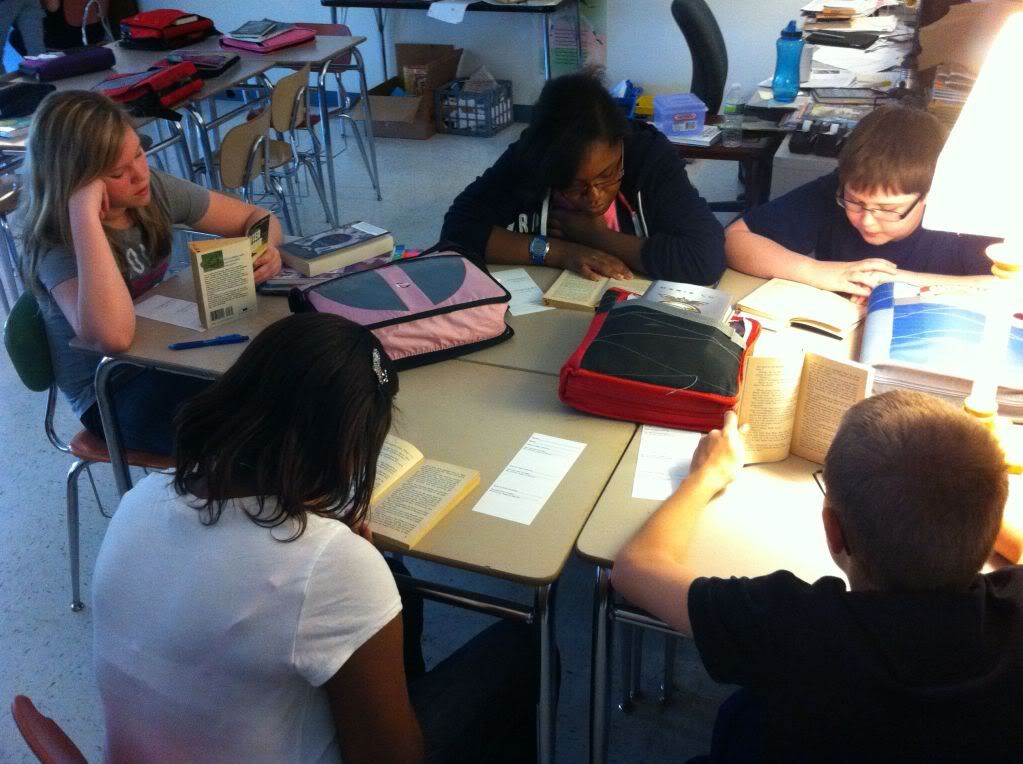
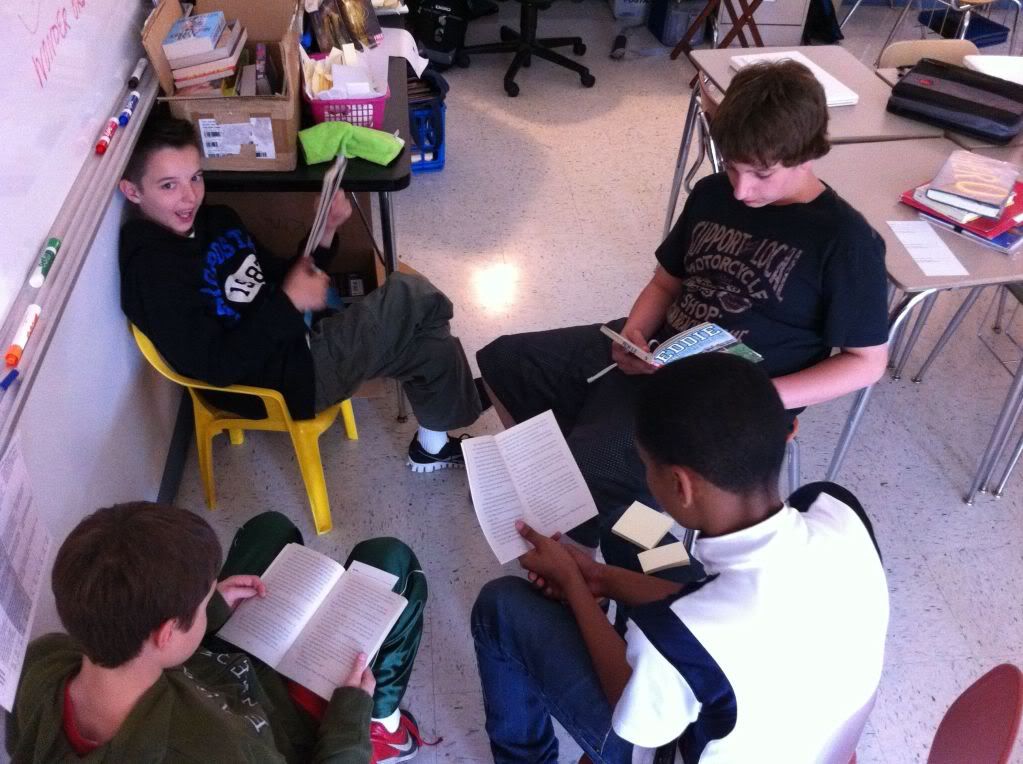
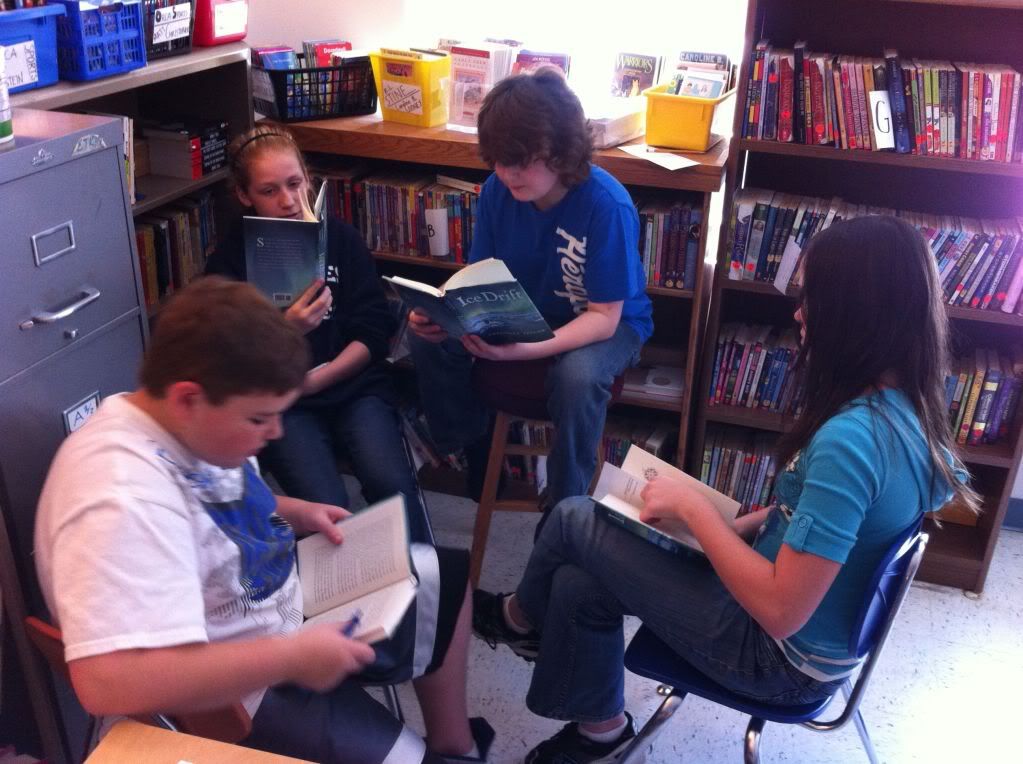
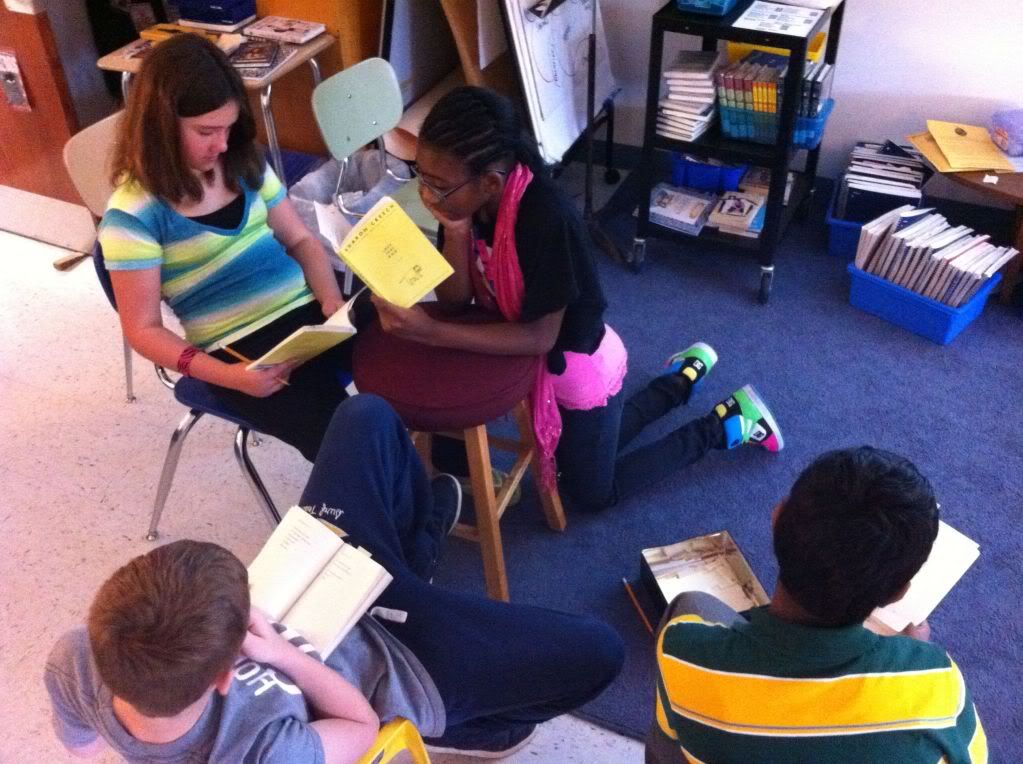
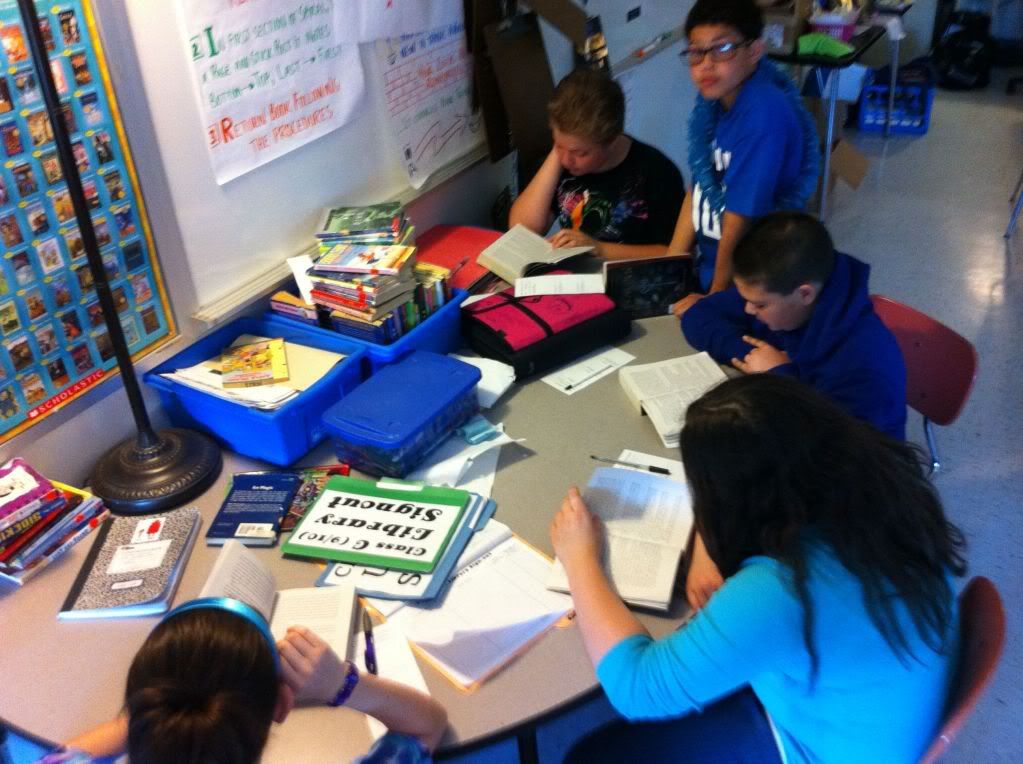
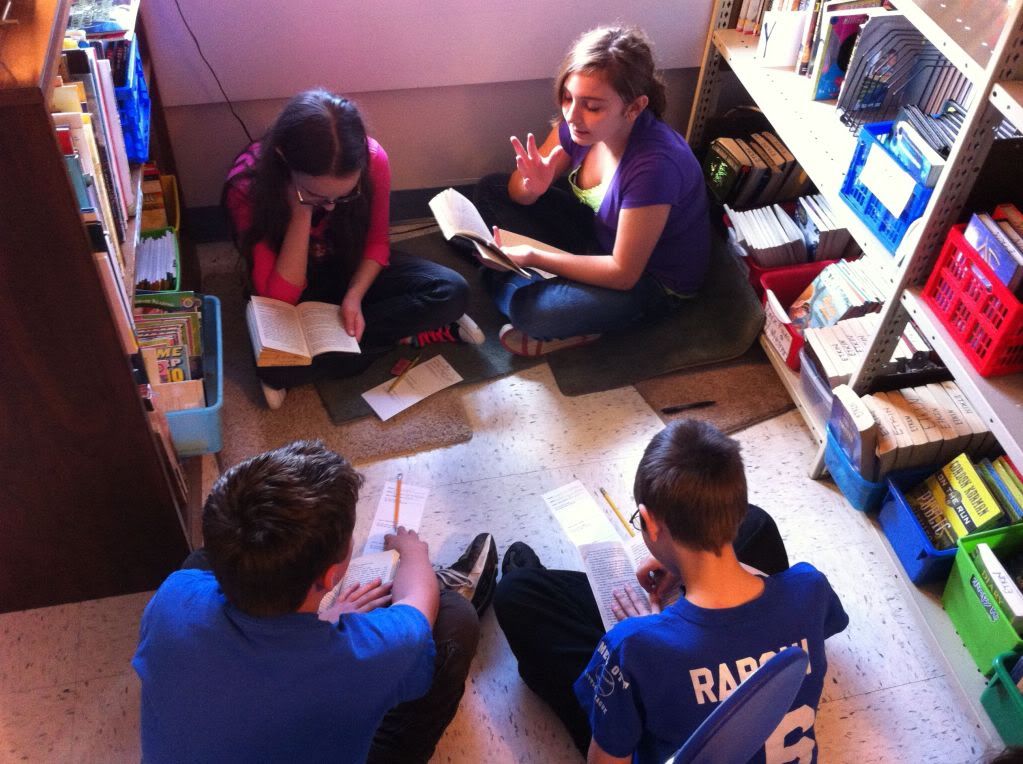
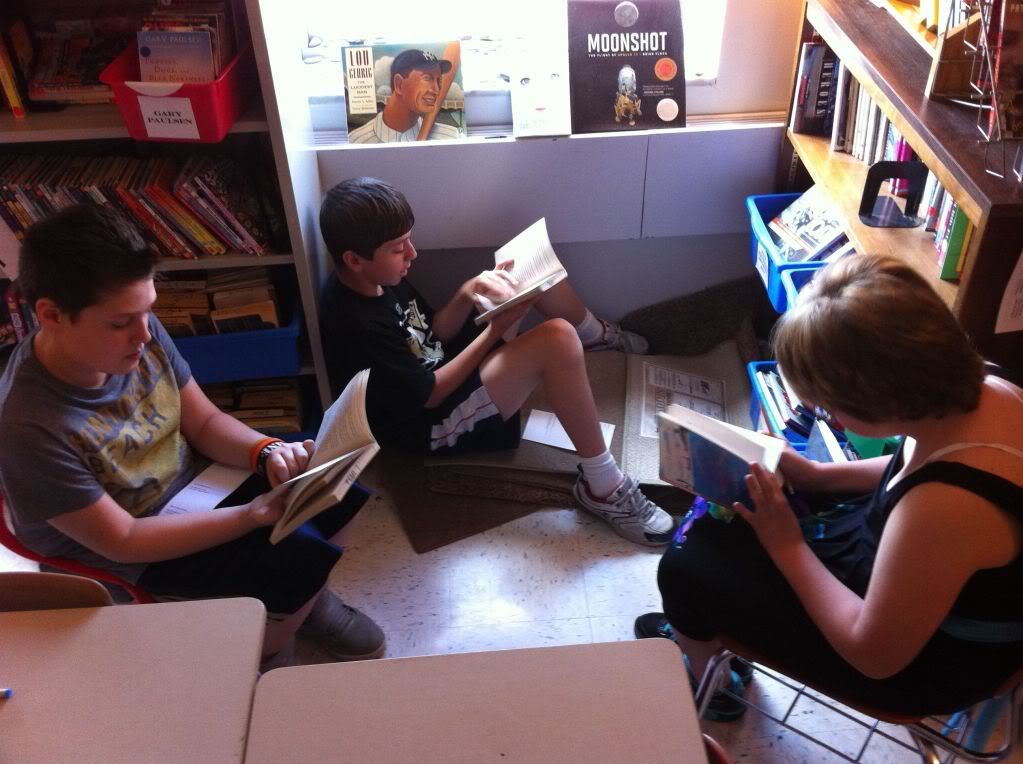
(These pictures are the students reading on the first day after they choose their books. After this first day, reading and preparation is done independently.)


I read for myself all the time. Oftentimes my reading is to find that next great book I can recommend to a student at just the right time. (And with the Nerdy Book Club, there are so many options.) But the books that are most memorable to me are the books I’ve had the opportunity to discuss.

My colleague, Brent Peterson, and I read Dead End in Norvelt in partnership. We kept a simple goal of about 100 pages a week (we were doing other reading, of course) and got together during a free period to discuss. These were awesome discussions.  [You can follow these links to see our conversations… if you’re really interested. Talk 1. Talk 2. Talk 3.] We came prepared with some Post-it notes and lists of things we wanted to talk about and off we went. The half hour was barely enough time. It was great how we each brought different ideas and insights to the conversation. Brent saw things that I never would have on my own. Discussing a book brought it to life and made it more interesting than it would have been had either of us read it independently.

Norvelt conversation #3


(Who else would have laughed with me about paraffin wax hands and deterring deer with bodily functions?)  I think these conversations are why, though the public response to Norvelt has been lukewarm, Brent and I liked it so much. You can get more of a summary of our conversation on our Nerdy Book Club Blog post.

Brent and I also read and discussed Wonder a lot. And then we started passing it along to others to read. My mom read it. Then my dad. Then my sister. Then her book club. Then other reading teachers at my school. Students and their parents. And we read it aloud to our students. (And finally my wife is reading it.) And it was like Wonder became part of the social fabric of my life. It was something I could talk about with anyone around me. Family dinners were filled with conversation of Auggie and Daisy and Via. Being able to then talk with the Maker of these characters and this WONDERworld was awesome.


And this---THIS---is why I want to persist in pushing my students into partnerships and clubs. As I’ve told them, book clubs are social opportunities wrapped around a book. (Hmmm… good pearl analogy there.) I want my students to experience the joy of a book coming to life. Of understanding a book better together because they talked about and cleared up confusions and saw things from different points of view. I want my students to know the richness of literature.


So I’m willing to spend an afternoon with the book partnership/club letters they’ve written to me (Name; why I would be a good partner to someone else; my approximate reading level [GRL]; five classmates who would be good partners for me and why) spread out all over the living room floor or dining room table. (“Dad, what are you doing?”)

I’m willing to deal with a slacker reader/partner who doesn’t come prepared with the reading complete or Post-it notes ready to discuss. Because I see so many other students benefiting from rich conversations and thought building that they wouldn’t have if they only read independently.

I’m looking forward to next year and getting these partnerships and clubs underway earlier in the year. We are already discussing how to scaffold them—giving students smaller texts with which to practice before diving into a novel. I can’t wait to see my students blossom in their book discussions.

We have a great year of book conversations behind us, a better one ahead—and the state of Book Clubs is Strong.

Your turn:

Have you experienced reading as part of a partnership or club? How did it add to your reading experience?


{resources}
Planning bookmark for clubs:


  Evaluation form:


Thanks again to David for his great post. Maybe if we leave him lots of comments, he'll do it again for my blogiversary! *crosses fingers* Be sure to check out David's blog, Words Read & Words Written,  for more great posts like this one!

Tuesday, May 22, 2012

Thinking Ahead

Well, it's that time of year again! Summer is just around the corner and OF COURSE I am already thinking ahead to next year! At the end of every school year, I always reflect on what worked, what didn't, and what I wish I had done over the past ten months. At present, my "Ideas for 2012-2013" list is THREE PAGES LONG! In the past, I have found this list to be so helpful. It helps me to be a better, and less stressed out, teacher. Here are five of the things I am abolishing from my current teaching practices:


1. Spelling homework. I hate checking it, my students hate doing it, and it is (in my opinion) completely inauthentic. I would much rather focus on patterns and rules without a set list to memorize, and then assess their ability to apply those skills in their real, every day writing. Bye bye, spelling words...you will NOT be missed!

2. Fluency Homework. I'm sorry, but do we really want to encourage our kids to race through a piece of reading, completely disregarding its meaning? I don't think this is helping the students become better readers, so sayonara! I will replace it with something more meaningful and interesting, like practicing how to be an interpretive and sharing a read aloud section with the class. 

3. Name tags. I know they are cute, but by December they look revolting. They are picked at, peeling off, and collecting eraser scraps underneath of them. Ew. Besides, I have two classes, so the desks aren't really the students' anyway. I will also really not miss how long it took to laminate, label, and adhere them to the desks with contact paper at the beginning of the year. 

4. Preset consequences.Currently my clip chart (which I would get rid of completely if it wasn't school-wide) has  labels indicating a 5 minute loss of recess for "Warning," and all recess lost, plus filling out a reflection sheet, for "Consequence." This is nonsense. Losing recess a few hours after committing a "classroom crime," is not effective. Students nees immediate logical consequences that align with their infraction. Instead, there will be no more consequences for being on "Warning" (after all...it IS a warning) and it will be "Teacher's Choice" when once earns a consequence. To me, this just makes more sense.


5. A while back, I posted about our current "Shoot for Three" system for BCRs. In theory, I guess it is a good idea. However, it becomes a hassle to keep up with and creates more competition than it improves BCRs. As promised, this blog is about what works and what doesn't...and I am letting you know that for me and my classroom, this idea is no longer working. 

And because I don't feel bad about getting rid of these things (and because I love the 80s!), this is my official goodbye to the stuff I won't be missing much!


There are a ton more, considering I am by no means a perfect teacher. But this is what I love about my job! I am constantly learning and striving to improve. More posts to come about what I will be adding and revamping, so stay tuned!


So, what things are you planning on canning for the 2012-2013 school year?


Sunday, February 26, 2012

Week in Review 2/24/11

Although we had a short week, I sure felt like it was full! We got a lot done in my classes. We continued working with Phoebe the Spy and discussed setting and how it affects the actions of the characters. We are also continuing to work diligently on the bubble gum opinion/persuasive writing piece. The kids are learning a LOT about gum and I can't wait to share some of their writing with you all! 


I also think I have perfected my reading response journal system (finally!). It was after a lot of discussion with colleagues, my principal, and Twitter pals that I finally came up with a process that works for my students and me. Here's the run down:

I collect journals from each class every other week on an alternating schedule (e.g. My morning class hand them in one week, and my afternoon class hands them in the following week). This means that the students have two full weeks to work on them here and there during their independent reading time. I place one of those circular colored dot stickers on each child's notebook. They turn them in on Tuesdays, Wednesdays, Thursdays, or Fridays depending on their color. Before, I used to have both classes hand them in every week. This meant I was taking home up to ten journals a night! It was too much since I write back to each student. This new schedule is MUCH better and I do not fall behind in responding as I did before.


I also changed the way the journals are graded. I am more concerned with the students developing their reading and writing skills, so I made these areas have more of an impact. I also upped the ante since this is like a long term project and made the journals worth more points. This was actually my principal's idea. We are really owrking towards older students being held responsible for what they have learned in writing. I added a "C.U.P.S." section that will be put into their writing grade.


Another thing that is really helping is setting aside the last 5-10 minutes of independent reading solely for journaling. This way, my procrastinators must work at least a little each day instead of waiting to do it all on the day the journal is due. In addition, I gave the students a schedule so they knew the exact date their response was due, so no more excuses!


Here is the information I reviewed and gave out to students:

Reading Response Journal Rubric and Expectations

Reading Response Journals Calendar April

I use the cards below when grading journal responses. I simply cut them out, write on them, and tape them into journals. This has helped the students understand what areas they need to improve upon.
Journal Score Cards-1
The students who still continued to wait until the last minute, or did not do what I thought they were capable of, had a conference with me about their journal. I explained why they received the grade they did. Hopefully I will see more improvement from them. 

 This week, I also gave myself permission to abandon a read aloud with the kiddos in order to read another one. Actually, I gave them the choice. Lesson learned: always give your kids options when it comes to a read aloud. Do not just choose one for them. Of course you cannot always please everyone, but aim for the majority. I hate to admit it, but we had been working on the same book since November. We were not even halfway through. The reason? Well, I think it was because the kids just didn't LOVE the book I chose for them. I loved it, but who cares if I love it? So, I gave them a choice: keep going with the current read aloud or take a break for another book. Before they were allowed to choose, I played the book trailer (a tool I have found VERY useful), read the inside flap, and read a few pages from the beginning. It was almost unanimous! Now we are reading (and clearly LOVING) The One and Only Ivan.

Finally, I also found out that I received 100% on all of my grad class assignments this week. I am looking forward to sharing this news with my students. I will make sure to explain that it wasn't easy, but I took my time, worked hard, and made sure I understood all of the material. Hopefully they will be inspired by my own learning experiences. Only time will tell!

Wednesday, December 14, 2011

These Books Really ARE "Great"!

You know those days when you teach a great lesson and you just feel...amazing? I had one of those days this week. It was sublime!


My principal recently ordered the intermediate teachers in my school a program (if you want to call it that) called Junior Great Books. I.Love.It. "Love" might even be an understatement. I was so sick of our county anthology/basal, that this was a welcome change. It comes with a "guide", but I also find there are so many ways to "make it yours"...which is why I love it so much. I always has trouble making the anthology "mine" and the kids hate the feel of a textbook in their laps as we sit on the carpet. The stories are very high interest (mainly made up of realistic fiction and traditional literature). The best part is they are regular "book size" so they have the feel of a novel. 


Students used sticky notes to keep track of
questionsthey had as they read. 
Actually...the REAL best part is they are designed to be discussed! We have had some great literature circles with these books! I have the students create their own "complex questions" for their groups (see photo). You know...the ones that can't just be answered with one word, or that have more than one answer. This was exactly the stepping stone I needed to help guide me in the process of transitioning from an anthology to reading workshop...which is what I am working on.


Anyway, now that I have come down from my soap box (I should get some compensation from the company for my little plug...), here is what happened:


We've been reading an African folktale called "Kaddo's Wall." Today we discussed how the character experiences both losses and gains as a result of building said wall. I was assuming they'd pick up on all the material things that he both gained and lost which sort of had to be inferred in some cases. Of course, they blew me away with all of the things that even I didn't pick up on. For example, one student explained how one of Kaddo's losses was his "loss of dignity." We discussed how his having to beg for food after being selfish would cause this to happen. Another student chimed in with how he "gained the king's pity" when he was given the food. Wowzers! Then this led to us discussing how some gains (such as pity) are not always positive...which opened up the flood gates for other negative gains and more discussion! I was in teacher heaven!


I ended the lesson by asking the students to answer the following prompt:


"Explain the effects of Kaddo's decision to build the wall of corn."


I am sure you can guess that they had PLENTY to say. Just had to share :)

Friday, November 4, 2011

CRs Got You Down?

I have got a solution for you! While I was grading the latest county mandated test (bleh!), I noticed that my darlings were really struggling with their constructed responses (CRs). Although they have been doing them since 3rd grade, I usually find that 5th graders need a few reminders when completing CRs in the beginning of the school year. However, my reminders did not seem to do the trick this time. You know, the usual "Don't forget to support your thinking with details from the text!" or "Make sure you connect your own thinking to your answer!"


In an effort to help them improve their writing, I stumbled up this site. There are lots of resources for guiding your students through the tedious process of completing CRs. I really liked the revision tools that were tied into the 6+1 writing traits (2 birds, one stone!).


Although I shudder at the idea of giving students a formula, I do believe they need some guidelines to help scaffold them until they are more successful. I will not present these as "rules" for wtiting CRs, but rather suggestions for helping them improve. Hopefully, this and our "Shoot for Three" incentive will get their pencils moving and the wheels turning!


Do you have any lessons or tricks you use to help your students experience more success with CRs? Please share by commenting below!

Monday, October 17, 2011

Shoot for Three!

Having trouble finding a way to get your students to put forth their best effort on written responses? (Let's be realistic, we have to do them and they aren't always the most fun for our little ones...no matter how hard we try.)

Here is how we motivate students at our school to do their best when completing "Brief Constructed Responses" (a.k.a. BCRs): 

We teach the students what every good BCR needs in order to earn all three points that they are worth. Then, whenever someone scores a three on their BCRs, they get to shoot a hoop. If a particular activity has more than one BCR and they score three points on each one, then the student gets to take that many shots. For example, if one of my kiddos get two threes on their test, they shoot twice. Whether they make the basket or not, they get to add a sticker to the sticker chart. If they make the basket, I give them an extra treat, like a piece of candy or a pencil...whatever I have on hand. 

The poster above the basket and sticker charts says:
"Shoot for Three

We shoot for 3 points when writing our BCRs!

What am I thinking? What have a read?
What's in the text? What's in my head?
Put them together and you will see...
Thoughtful readers earn a 3!"

I am not sure where the poem came from, so I can't take credit for it. However, I loved this idea when I came to my school, so I am sharing it with all of you! Enjoy!